There’s a question almost no couple asks when they start planning their wedding, and it’s probably the most important one of all when it comes to photography: do we want an album of pretty pictures, or do we want to relive our day every time we open it?
They sound like the same thing. They aren’t.
The difference between documentary and traditional wedding photography isn’t a technical question or a passing trend. It’s a question of what story you want your photos to tell twenty years from now. In this guide we explain, plainly and with nothing to sell you yet, how the two styles differ, what each one is good for, and how to know which truly fits you.
What traditional wedding photography is (and why it has worked for decades)
Let’s be fair: traditional wedding photography has worked for generations for one very simple reason. It guarantees results.
In the traditional approach, the photographer directs. They arrange the family groups, place the couple in the prettiest corners of the venue, tell you where to look, how to hold hands, when to smile. The result is a set of careful, orderly, predictable images: everyone looks good, everyone is looking at the camera, and no important photo is missing because they were all on the list.
If your parents or grandparents have a wedding album, it’s almost certainly this style. And there’s something endearing about it: those photos are a formal document of an important day.
The nuance is in the word “formal”. Traditional photography captures how the day was supposed to be. It doesn’t always capture how it actually was.
What documentary wedding photography is: telling your real story
Documentary wedding photography (you’ll also see it called wedding photojournalism or natural reportage) starts from a radically different premise: the best moments of your wedding can’t be directed, because they haven’t happened yet.
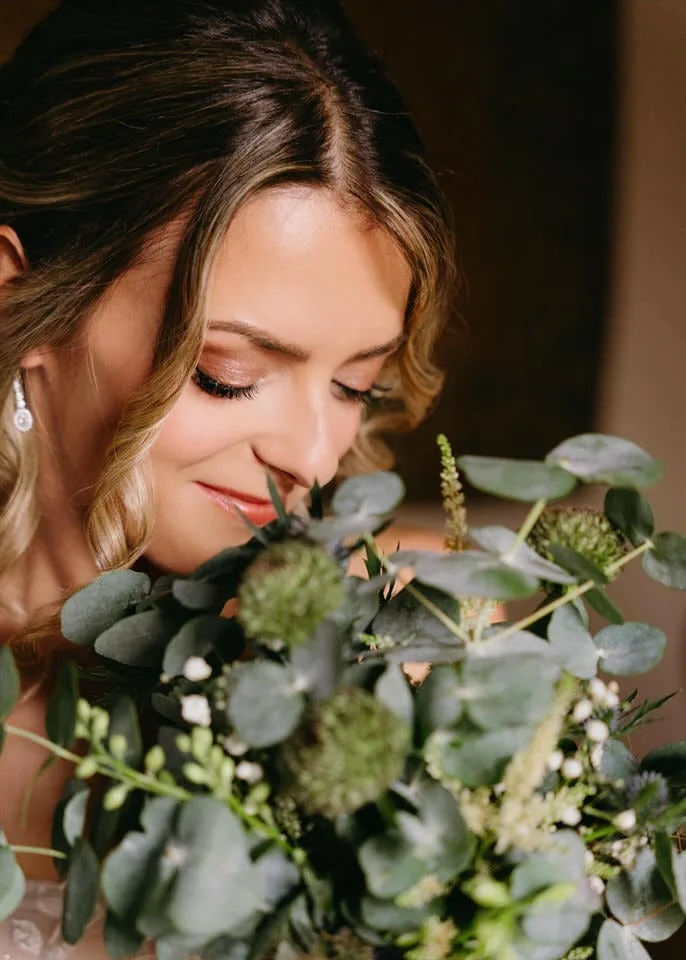
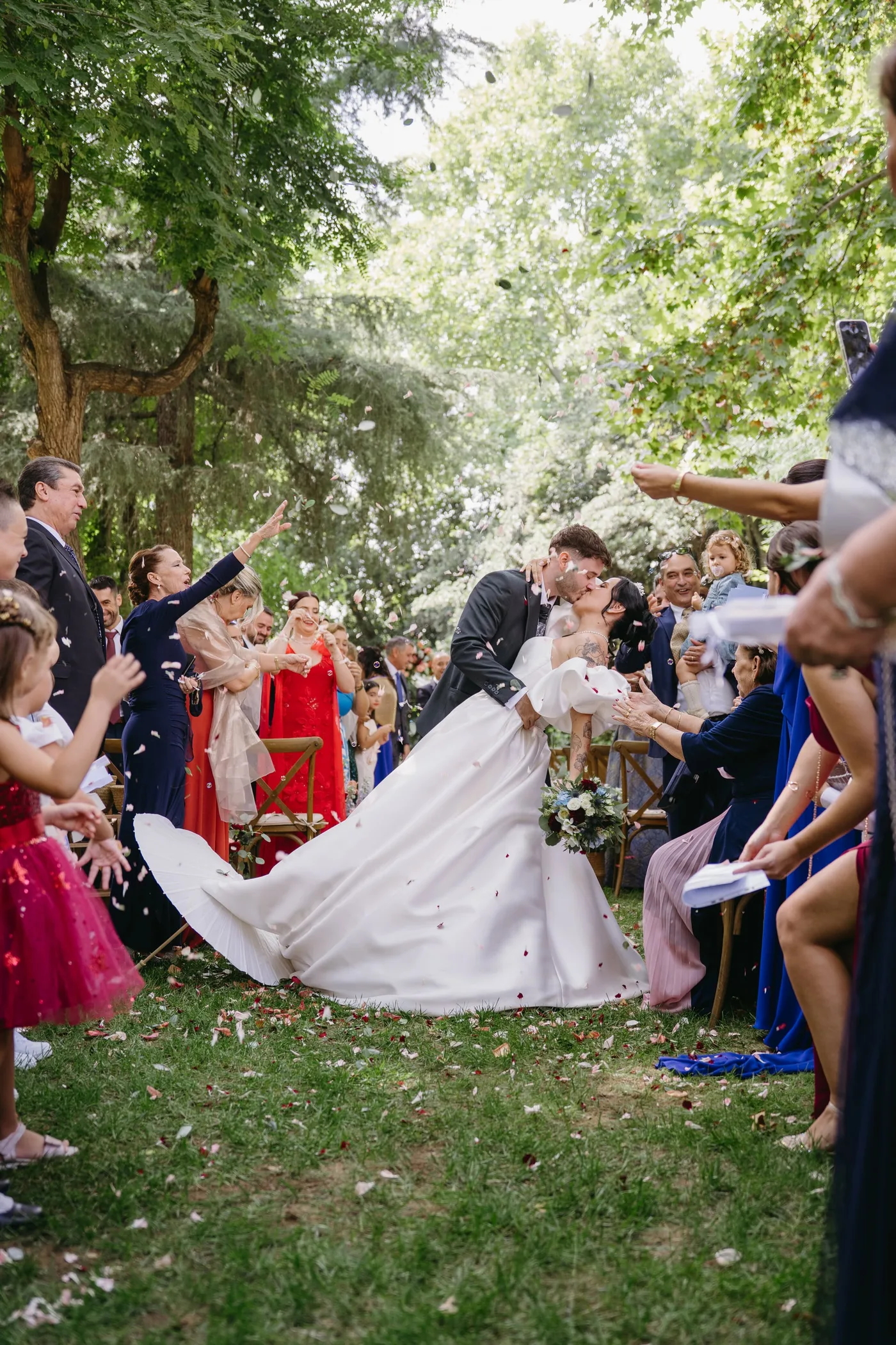
Your father’s hug just before you walk in. Your grandmother’s laugh in the middle of a speech. That look you exchange without realising while everyone is dancing. None of that can be posed. You can only be there, alert, and capture it as it happens.
The invisible photographer: capturing without interrupting
In the documentary approach, the photographer doesn’t direct the scene: they observe it. They work by anticipating moments, reading the energy of the room, knowing where to stand before something happens. Their best compliment is when, at the end of the day, the guests say “we barely even noticed you”.
This doesn’t mean passivity. It means a far more demanding kind of work: there’s no second take. If the photographer isn’t in the right place when your mother bursts into tears, that moment is lost forever. That’s why the documentary style depends so much on the experience and the eye of whoever is behind the camera — it’s the core of how we shoot as a documentary wedding photographer in Tarragona.
Real emotion vs directed emotion
Here’s the difference you feel in your skin. A requested smile and a smile that comes on its own look nothing alike, and anyone looking at the photo senses it even if they can’t explain why.
Directed emotion is correct. Real emotion is contagious. When you open a documentary album, you don’t see how you posed: you remember how you felt. And that is exactly the point.
The 5 key differences between the documentary and traditional styles
1. Posing and direction: how much the photographer intervenes
In the traditional style, the photographer intervenes constantly: placing, correcting, repeating. In documentary, the intervention is minimal or none during the important moments. You live your wedding; the camera adapts to you, not the other way around.
2. The kind of moments that get captured
Traditional reportage prioritises the planned milestones: the exchange of rings, the cake cutting, the family groups. Documentary captures those too, but its real territory is the moments between the moments: the nerves of getting ready, the quiet tears, the private jokes, everything that makes your wedding yours and not just any wedding.
3. The end result: catalogue album vs the story of your day
One traditional album looks a lot like another: same poses, same framing, different couple. A documentary album is unrepeatable by definition, because it tells a story that only happened once. It reads from start to finish like a film: it has rhythm, it has characters, it has moments of laughter and moments with a lump in your throat.
4. How the day is lived: the couple’s experience
Almost nobody takes this into account when choosing a photographer, and it’s fundamental. With a traditional approach, you’ll spend a large part of your wedding posing: long couple sessions, endless groups, constant interruptions. With a documentary approach, that time is spent with your people. The wedding is more enjoyable because no one is directing it for you.
5. The passing of time: which photos move you 20 years from now
Do this mental test: imagine your album two decades from now. Poses age because they follow the fashion of the moment. Real moments never age, because emotion never goes out of style. The photo of your grandfather laughing after lunch will be worth infinitely more twenty years from now than any perfect pose, especially when some of the people in those photos are no longer here. That is, honestly, the deepest reason to choose documentary.
Myths about documentary wedding photography
“So there won’t be any family photos or couple portraits?”
Of course there will. This is the most common misunderstanding. A good documentary reportage includes a short, relaxed stretch of couple portraits (usually 15 or 20 minutes, more of a walk than a session) and the essential group photos, run efficiently so they don’t eat into the cocktail hour. The difference isn’t that they don’t exist, but that they aren’t the centre of the reportage: they’re a complement to the story, not the story.
“And what if there’s a photo where I don’t look my best?”
The documentary photographer doesn’t publish everything they shoot: they select. Their job is to capture the truth of your day beautifully, not to catch you at the worst possible angle. Light, composition and timing are looked after just as much (or more) than in the traditional style. What changes is that the beauty comes from the real, not the manufactured. And there are few things more flattering than a person genuinely laughing.
How to know which style fits you: 4 questions to decide
There’s no objectively better style. There’s a better style for you. Answer honestly:
- When you see photos from other weddings, what stops your scroll? The spectacular poses, or the moments that make you feel something even though you don’t know the couple?
- On your wedding day, do you want to star in a photo session or live a party with your people? There’s no wrong answer, but there is an answer that’s yours.
- What would you like to show your children one day: how you were dressed, or how that day felt?
- Does posing in front of a camera make you uncomfortable? If the answer is yes, documentary isn’t just an aesthetic preference: it’s the guarantee that you’ll look natural, because no one will ask you to act.
If most of your answers pulled your heart towards the real, the spontaneous and the emotional, you already know the answer. You can see it in a full real wedding story.
Our approach at Lifetime Weddings
At Lifetime Weddings we’ve spent years telling wedding stories with this approach: documentary, cinematic and without forced posing. We don’t take catalogue photos because your wedding isn’t a catalogue. It’s a day that happens only once, with people who love you, and our job is that many years from now you can go back to it just by opening the album or hitting play.
If you felt yourself nodding along to this guide, we probably speak the same language. Take a look at our real stories and, if they resonate with you, write to us. We’d love to meet you and hear how you imagine your day.
Frequently asked questions about documentary wedding photography
Is documentary wedding photography more expensive than traditional? Not necessarily. The price depends more on the photographer’s experience, the hours of coverage and what’s included in the delivery than on the style itself. That said, documentary demands more craft (there are no second takes), so it’s wise to be wary of suspiciously low prices.
How many hours of coverage does a documentary reportage need? Ideally you cover from the getting-ready through well into the party, usually between 8 and 12 hours. The full story of your day starts before the ceremony and doesn’t end with the first dance: some of the best moments happen when no one is thinking about the camera anymore.
Can the documentary style be combined with some posed photos? Yes, and in fact it’s the most common approach. A professional documentary reportage includes a short stretch of couple portraits and the essential family photos, integrated naturally into the day so they don’t break the rhythm of the celebration.
How do I know if a photographer is really documentary? Ask to see a full wedding, not just the best photos from their portfolio. In a genuine documentary reportage you’ll see real emotions, spontaneous moments and a story with continuity. If it’s all couples posing in pretty places, it’s traditional with a modern label.